If metal has been your identity for as long as it has been mine, you’ve probably received a lot of recommendations of bands to check out. Most of them have probably been from well-meaning normies who couldn’t have been further off (“Hey, you listen to metal, right? You ever heard of Five Finger Death Punch/Bad Omens/Sleep Token/etc?”), or if not, a completely obvious recommendation (yes, I do, in fact, like Metallica).
But after being a metalhead long enough, you’ve probably been to enough shows, made a few metalhead friends, or at least cultivated a good enough Spotify algorithm to get some knowledgeable band recommendations. And when those recommendations hit the spot, it’s amazing.
But sometimes they don’t. And you’ll probably have those bands recommended to you more than once from different sources. And every time you try to give them a go again to figure out what you missed, you’re still disappointed.
These are mine. I can’t say I dislike any of these bands, but given their similarities to bands I adore, it drives me crazy that these don’t scratch the same itch. With some, I can at least identify what they’re missing (or what they have that I don’t like, for that matter), but others still have me scratching my head when I should be banging it.
Pentagram/Saint Vitus
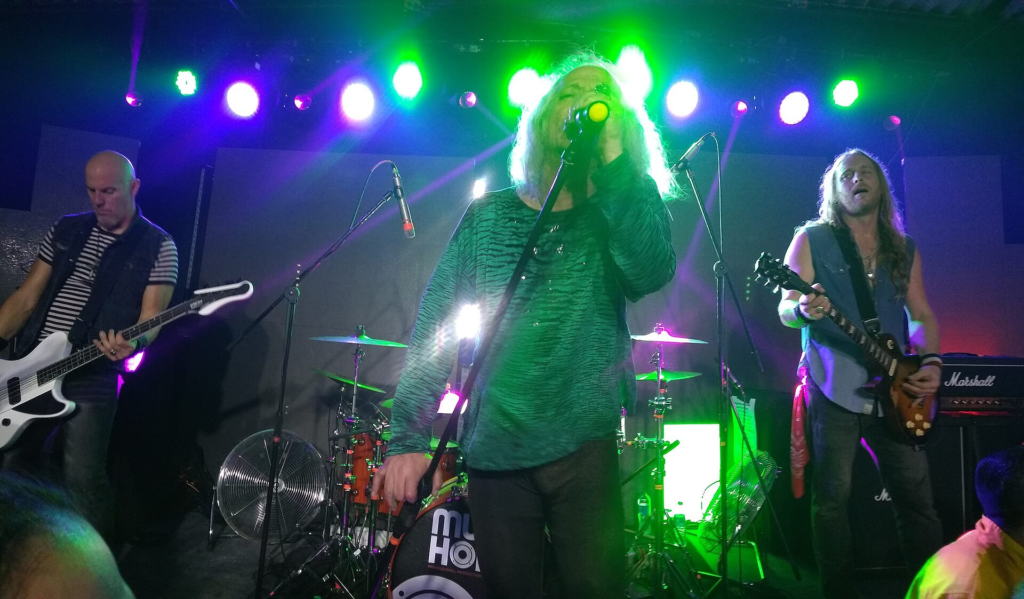
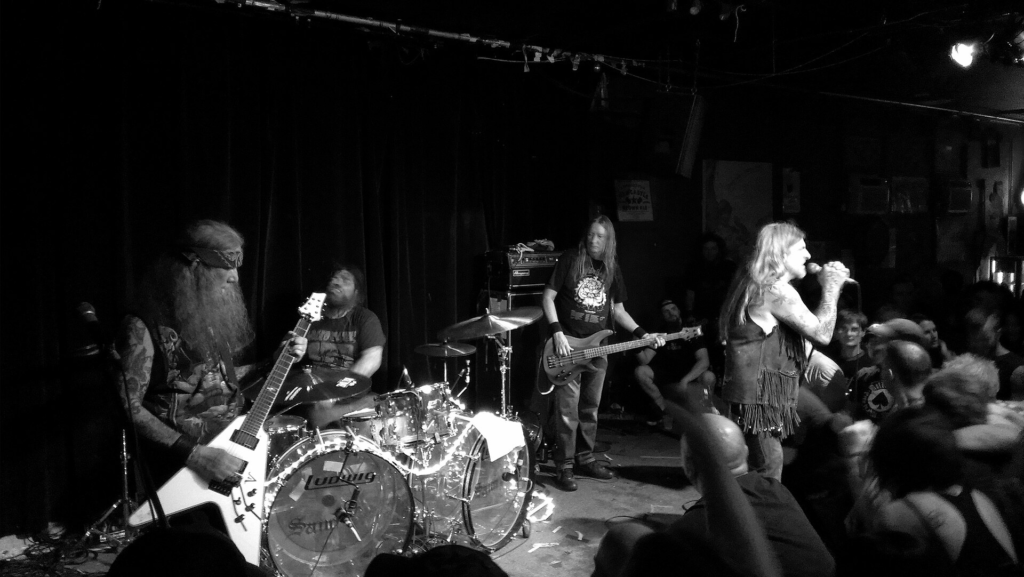
You’d think that with doom being my favorite subgenre, I’d love these bands as two of the forefathers of doom metal. However, try as I might to get into them, I always end up feeling underwhelmed. I’ve listened to both bands’ entire discographies with a few relistens, yet none of it has left an impression on me, to the extent that I lumped them together under one subheading. All of my criticisms apply to both, and I probably couldn’t tell the difference between them if you played one of them and asked me to guess which.
I can partially explain this by pointing out how just because they were some of the first bands to play the style we now call “doom metal,” doesn’t mean they were the best. If you’re a fan of these bands, you may object to me using this criticism against them, but I can guarantee you feel the same about some form of art or media you enjoy.
You like the movie The Wolf of Wall Street? Of course you do! Who doesn’t? Then I’m sure you love Citizen Kane as well, right? You don’t? Why? What’s wrong with it? It’s also about the rise and fall of a business magnate. The main character is also a scumbag, yet not unrelateable. So what’s not to like?
Because Citizen Kane is boring as fuck, that’s why. It’s even a full hour shorter than The Wolf of Wall Street, but if feels like the longer movie. It may have been a milestone in filmmaking and incredibly influential at the time, but I feel no obligation to call it a good movie regardless of what the American Film Institute says.
I don’t feel as strongly about Pentagram and Saint Vitus as I do Citizen Kane, but my point still stands. Maybe some of my favorite younger doom bands like Pallbearer and Warning wouldn’t exist if Pentagram and Saint Vitus hadn’t done it first, but that alone doesn’t make me like the latter any more.
However, that doesn’t fully explain it, since I also like some of Pentagram and Saint Vitus’s doom metal contemporaries like Trouble, Witchfinder General, and Pagan Altar. These bands also have similar sounds, yet I can easily recognize much more of their riffs and lyrics if you were to play them for me.
I believe Pentagram and Saint Vitus are the two better-known bands in originating the doom subgenre than their other contemporaries I mentioned, so ultimately I cannot explain what other doom metal fans hear in them that I don’t.
Thergothon
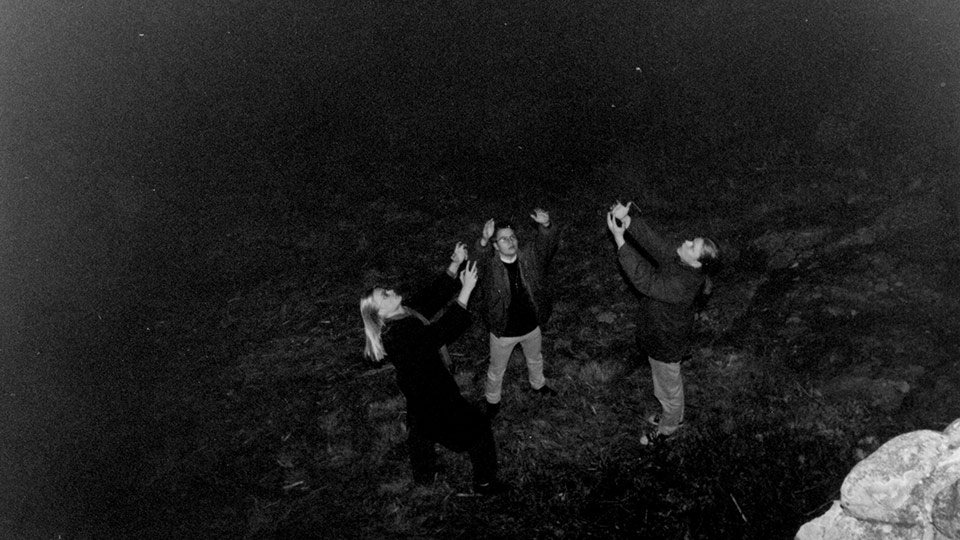
Like Pentagram and Saint Vitus, Thergothon is another influential trailblazer in its respective subgenre, funeral doom metal (I won’t only be picking on doom bands in this article, I promise). However, unlike Pentagram and Saint Vitus, they never had the chance to be properly recognized as such, since they only recorded one full-length album before disbanding.
I even considered including them in my previous article on bands who only released one amazing album…until I listened to it again and realized I still didn’t really like it that much. And not for lack of trying, this was the third or fourth time.
Not to belabor the comparisons with Pentagram and Saint Vitus, but I believe this is another example of “just because they did it first, doesn’t mean they did it best.” Yes, they were the first doom band to take the darkness a step further than even the recently-invented death/doom subgenre, refusing to play anything fast in favor of having us really sit with our despondency and impending dread. Yet for some reason, it didn’t work for me. I wish I could tell you what they were missing. Maybe it was the mastering?
Well, whatever they missed, it didn’t even take long for other funeral doom bands to find it; Thergothon’s contemporaries and fellow Finns Skepticism were only a year behind in both founding their band and releasing their debut. And that record slaps. However, since Skepticism is still a band, they often receive more recognition for being one of the first funeral doom bands, so at least my opinion doesn’t make me such a contrarian, unlike the above entry.
Opeth
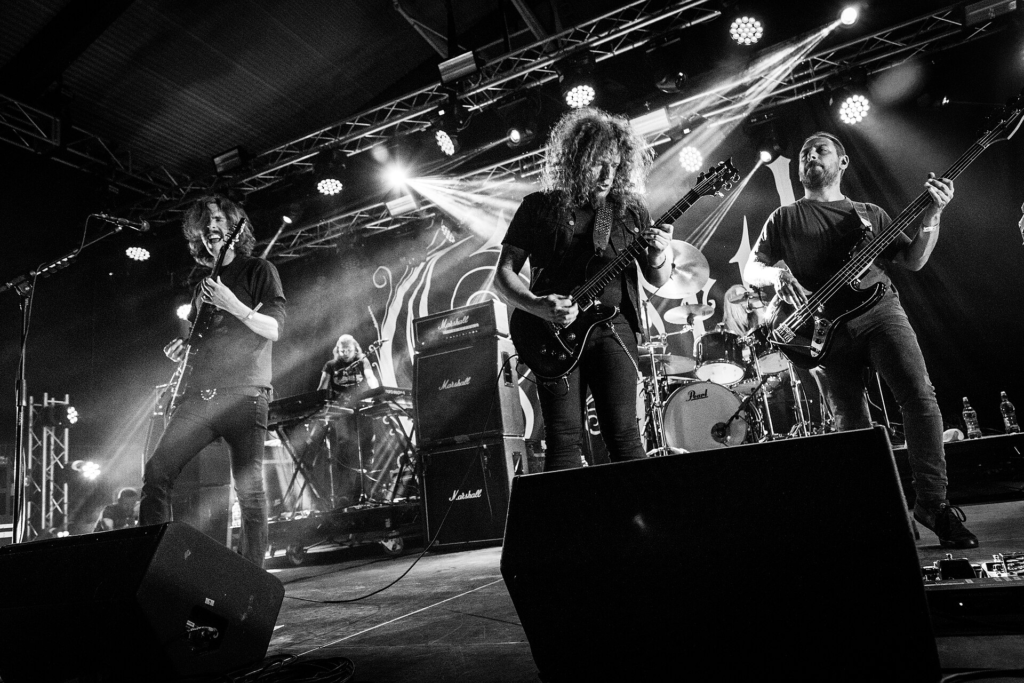
Unlike the above two entries, I can at least put my finger on part of the explanation as to why I could never get into Opeth. Back when I was in high school and was getting into what would become my favorite band, Katatonia, I would often receive recommendations to check out Opeth as well.
And at face level, I could understand why: both are Stockholm-area metal bands that started in the wider “death metal” category before gradually softening their style and becoming more experimental. Mikael Åkerfeldt, the frontman and main creative force of Opeth, even peformed all the growling vocals on Katatonia’s seminal sophomore record Brave Murder Day as well as the Sounds of Decay EP.
I can also understand why I wasn’t able to get into them at first: I found progressive metal to be too long and boring at the time.
However, as my music tastes expanded, I began to find a new appreciation for progressive metal. Some of my favorite bands are now Leprous, Amorphis, and Anathema, all of whom became much more progressive later in their careers.
It’s not because Opeth went “soft” for a good part of their later career, either. The same is true for all of the other favorite bands I mentioned above in this entry, yet I prefer all of their softer material. Hell, I even enjoy Opeth’s Heritage album, which is probably the softest record of their career and was even divisive among Opeth’s fanbase.
So considering Opeth apparently has all the pieces of a band I’d like, not to mention are more popular than Katatonia, Leprous, Amorphis, and Anathema, you’d think they’d be one of my favorite bands. Yet to this day I still only give them the occasional listen, trying to figure out why I don’t listen to them more. Then I forget they exist again for a couple more months.
Deftones
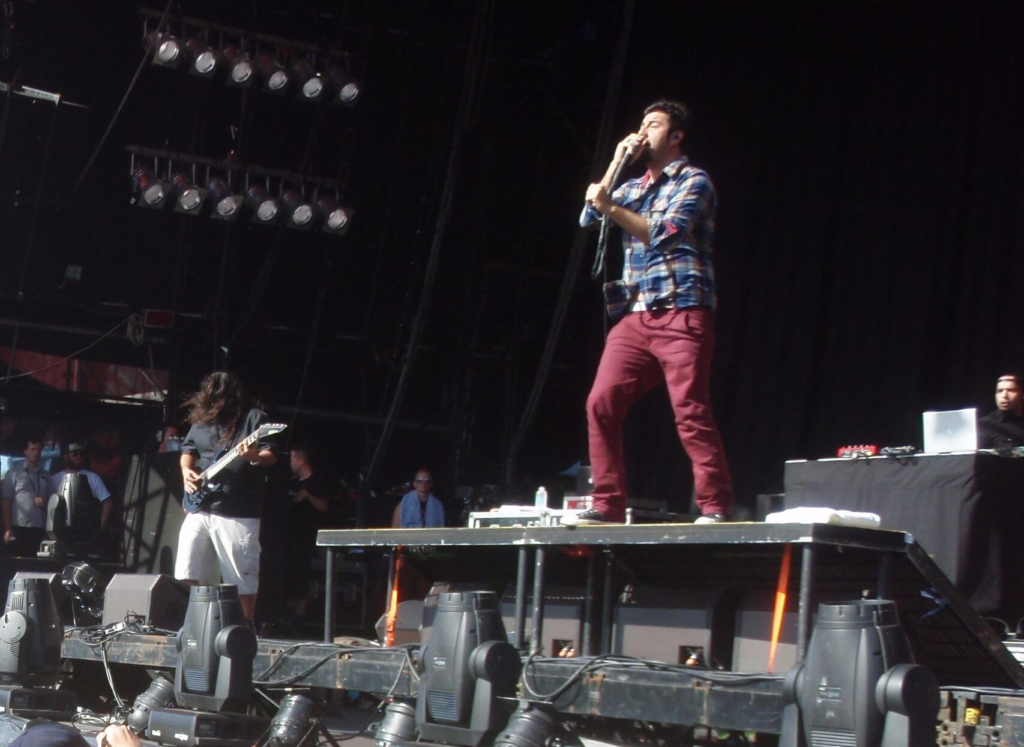
Although nü metal is not my main thing nowadays, it was still my gateway drug into heavier music back when I had just hit puberty. My favorite bands were Slipknot, Disturbed, Korn, Linkin Park, and Mudvayne. But for some reason, Deftoones never really crossed my radar despite being from a similar scene.
I blame this lack familiarity at the time on a few different factors: the predominant one being the gap in popularity. Although Deftones had been popular throughout the aughts during the height of nü metal, I don’t believe they were as big as the favorites I mentioned above. This was back in the days when the internet hadn’t completely killed FM radio yet, and for a kid with limited access to the internet thanks to his parents, my local rock station was one of the best ways to discover new music without going broke or getting yelled at (unless I played it too loud, which I often did). And I guess Deftones was a little too obscure for my local Vermont rock DJs, because I don’t remember ever hearing them.
The little access to music on the internet I did have was in the form of iTunes, where you had to purchase all of your music individually. And for a kid whose finances were even more limited than his internet access, I had to stick with what I knew. iTunes may have suggested Deftones under their “similar artists” section, but don’t remember ever giving them a listen.
When I was in high school a few years later, I gave the White Pony album a spin. Although I thought it was solid, at this point I had already graduated from nü metal into metalcore and deathcore, so the opportunity for it to be grandfathered into one of my favorites had already passed.
And speaking of deathcore, I didn’t even hate Suicide Silence’s 2017 self-titled record, which was largely influenced by Deftones’ sound. And considering the amount of hate that album received from the deathcore fans, I may have even been one of its defenders if I had gotten into Deftones earlier.
Acid Bath
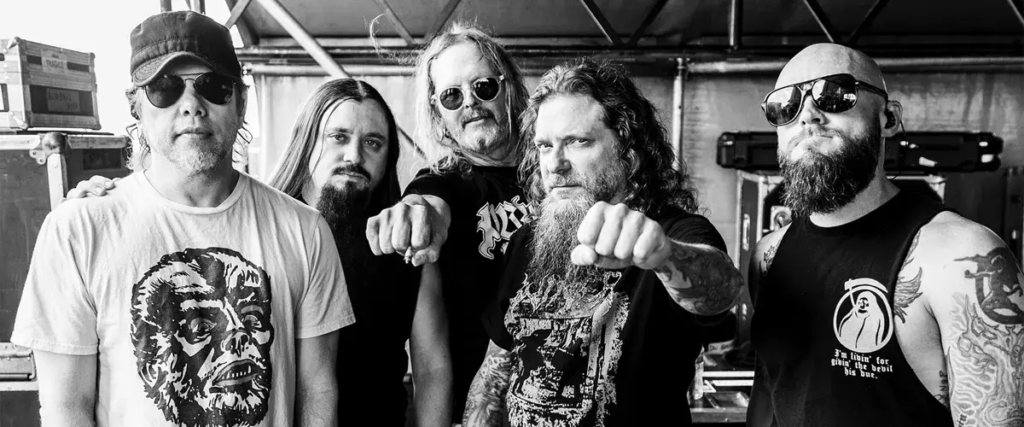
Sludge has really grown on me over the past few years, especially Louisiana sludge. But try as I might to get into Acid Bath, one of the forerunners of the subgenre, I just can’t do it. I was even excited when I heard I’d get to see them in my hometown when they played Levitation Fest last fall, one of their first concerts after getting back together. I was hoping that if anything could get me to change my mind about them, this was it. But I only ended up making it through a few songs before I went to get dinner from one of the food trucks.
The irony is, not only did they probably influence younger sludge bands I enjoy like Thou and Primitive Man, they also influenced mainstream successes like Slipknot, one of my gateway bands and all-time favorites. Although I was somehow ignorant of this when I first listened to When the Kite String Pops, it didn’t take long for me to draw the connection.
Unlike some of the above bands, I can’t exactly use “just because they did it first, doesn’t mean they did it best” to explain Acid Bath not gelling with me, since I like Eyehategod and Crowbar, who both predate Acid Bath.
However, I can absolutely identify one element of Acid Bath’s music that turns me off: the grunge influence. Although I have generally become more open to different music styles as I’ve matured, grunge is one of the few genres I’ve grown to like less.
It’s that damned yarl. You know, the grovely-voiced singing that was the bane of nearly all 90s rock bands that still somehow continues to live on in Octane-core butt rock bands. Seriously, listening to the song “Jeremy” by Pearl Jam (or was it Creed?) makes me want to do the same thing Jeremy does in that song. Not because the song is sad, I just hate the vocals that much.
Well, as a 90s band, Acid Bath lead singer Dax Riggs does the same thing with his clean “singing” and I just cannot stand it. He does it a lot more in their second of two albums, Paegan Terrorism Tactics, so there’s at least hope that one of their albums will grow on me. But that vocal style will probably prevent me from ever becoming an Acid Bath fan.
Deafheaven
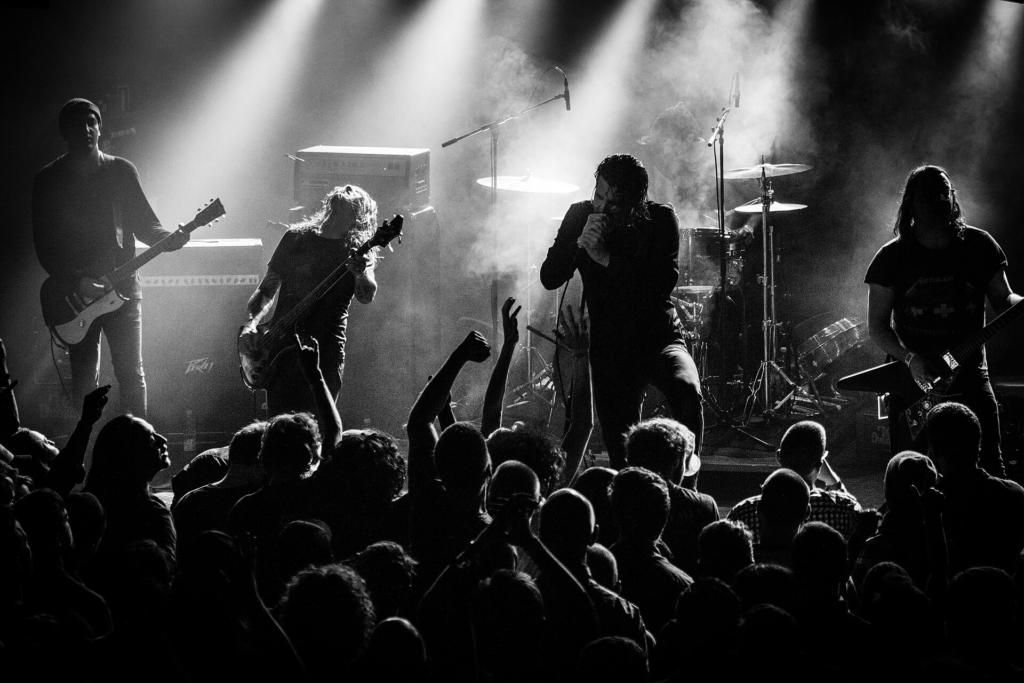
Let me start by saying I am not including Deafheaven on this list as one of those “trve cvlt black metal” elitists who hate them because they bastardized black metal, or whatever. I have nothing against blackgaze, and Deafheaven is half of what I call the “Big Two” of blackgaze. So, as a big fan of the other half, Alcest, it eludes me as to why I can’t get more into Deafheaven.
As I’ve said in a previous article, my best explanation for this is Deafheaven’s songwriting is just not as memorable to me as their French counterparts. I’ll listen to a Deafheaven record and enjoy it while it’s playing, but as soon as it’s done I wouldn’t be able to identify a single song, riff, drum fill, vocal hook, anything. And if Alcest were the more popular of the two, I would probably chalk it up to me holding the popular opinion and leave it at that.
But Deafheaven is more popular, and I’m trying to figure out what everyone else is hearing that I am not. To be fair, since I posted the linked article above, Deafheaven released another album, which is easily my favorite by them. But it still doesn’t grab me the way nearly all of Alcest’s records have done on the first listen. Which is why I saved them for last, because unlike every other band I listed here, I don’t even have much of a good guess as to why I’m not more into them.
(Dis)honorable mention: Swallow the Sun

And now I’m back to picking on doom bands.
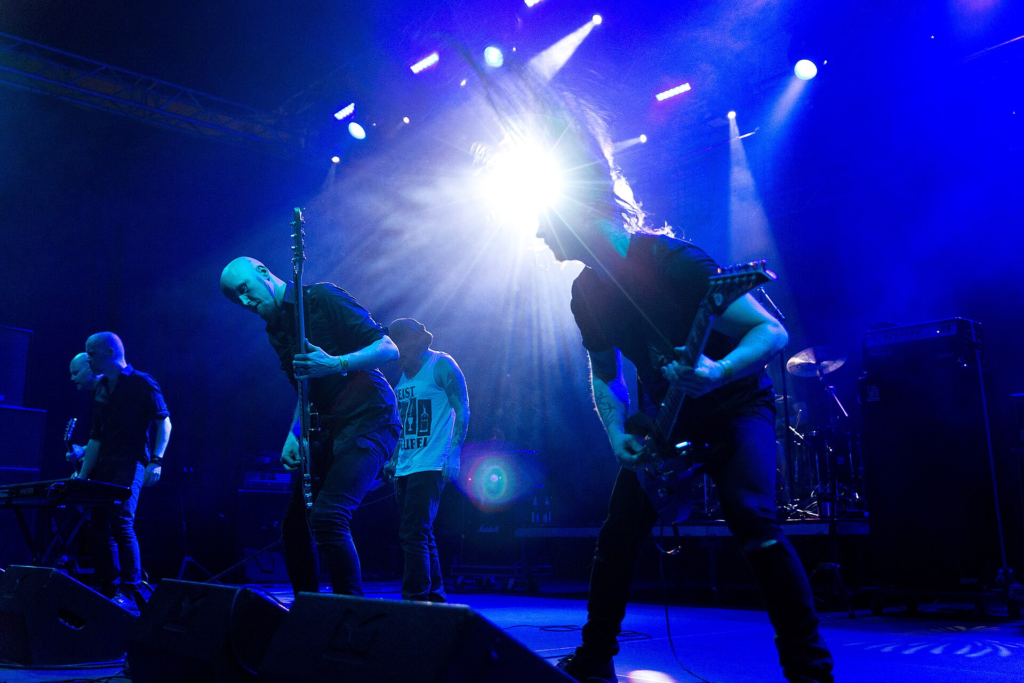
I do like Swallow the Sun, but after seeing them live twice and walking away disappointed both times, they earned themselves the (dis)honorable mention spot on this list.
My main criticism lies with their vocal performance, or lack thereof. Much of Swallow the Sun’s newer material (which was the majority of both of their sets I saw), heavily uses backing vocals. Not just a line sung here or there, but harmonizing with the lead vocals throughout entire songs.
On the album, that is. But both times I saw them live, lead vocalist Mikko Kotamäki was the only one singing, with all of the backing vocals being a pre-recorded track. I’m not even sure if there were any other vocal mics on the stage besides Kotamäki’s. At the time, I figured it was because Kotamäki also did the backing vocals on the album, but that was still no excuse. They had four other members. You mean to tell me none of them could sing the backing vocals live?
And upon double-checking their album credits, I realized I wasn’t even correct to assume Kotamäki also recorded the backing vocals. Their 2019 album When a Shadow is Forced into the Light credits keyboardist Jaani Peuhu with backing vocals, and they played plenty from that album both times I saw them. Granted, Peuhu had left the band by then, but seriously? No one else could have learned his vocal parts? It’s not like the new keyboardist was too busy learning the keyboards from the band’s past material to learn the backing vocals as well, because they didn’t even replace Peuhu when he left. That’s right, they relegated both backing vocals and keyboards to pre-recorded tracks for their live shows.
But maybe Peuhu’s contributions were so inimitable that none of the band dared try. If only I had to chance to see them when he was still with the band, then I’d have been able to hear Swallow the Sun live without any pre-recorded tracks, right?
Well, maybe not. Because their 2021 album Moonflowers, which had just come out when I saw them the first time, credits guitarist Juho Räihä with backing vocals. And he was still very much in the band when I saw them that first time. And the second time in 2025. Both sets had plenty of material from Moonflowers. I didn’t see or hear him sing one note.
Look, I have nothing against a musician doing multiple concurrent instruments and/or vocal parts on a recording. It’s a recording, knock yourself out. Lots of great bands do it. But if you’re going to profess to play that same material live, play it live. If I wanted to listen to pre-recorded tracks and be told I was seeing live music, I’d go to more techno concerts.