We’ve all been there. You discover an incredible new band with a unique sound, tight riffs, soaring vocals, or whatever floats your boat. Obviously you want more, so you look them up on The Metal Archives or your streaming platform of choice only to realize…that’s it. That was the only album they released. And not because they’re a new band who haven’t been around for very long. This one album came out years ago.
These bands may have their reasons for not releasing more material, but that doesn’t make it any less disappointing. Here are some of the worst offenders:
Eternal Lord
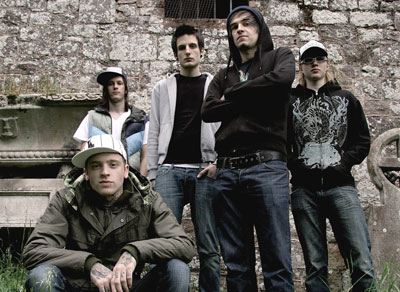
Eternal Lord from Swindon, England were active from 2005 to 2009, releasing their one full-length album, Blessed Be This Nightmare, in 2008. Although the late aughts were a competitive era for deathcore, Eternal Lord paid their dues, touring in support of All That Remains in Europe in 2007 and the United States in support of The Acacia Strain and All Shall Perish after releasing Blessed Be This Nightmare. The track “O’brothel, Where Art Thou” also features some black metal-esque tremolo riffing, predating Carnifex’s now-signature “blackened deathcore” style by a couple years.
However, the band had already gone through several lineup changes during their brief tenure. By the time they released Blessed Be This Nightmare, they had already replaced their lead singer and bassist. After releasing it, their drummer quit and was replaced, then their lead singer quit as well, causing the band to break up.
I can’t help but wonder if geography also played a role in Eternal Lord’s difficulties staying together. As Brits in a young subgenre founded by, and predominantly consisting of, North Americans, getting fans’ attention may have been challenge enough. Although there may have been enough fans in Europe to justify North American deathcore bands touring there (albeit usually in support of more established metalcore or death metal acts), the reverse may not necessarily have been true; North American deathcore fans already had ample opportunities to see North American deathcore bands on tour. A greater challenge still may have been finding local musicians who were able and willing to play their style of music in a country where it hadn’t taken off yet.
However, apparently the band is getting back together and are teasing new material on Instagram, so hopefully they’ll make my article as obsolete as some of the jokes from my Big Four article.
Trees of Eternity
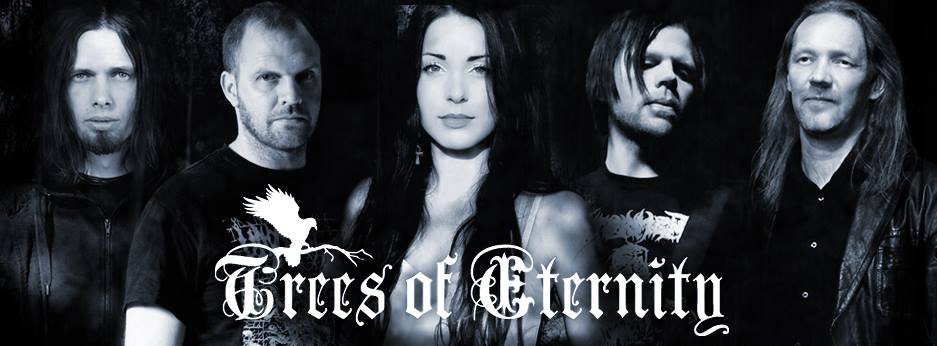
Trees of Eternity has the best (and saddest) reason for only releasing one album.
They were something of an international doom metal supergroup, featuring musicians from two staple death/doom bands, Swallow the Sun and October Tide, with Aleah Stanbridge providing the band’s melancholic lead vocals. Mick Moss of Antimatter and Nick Holmes of Paradise Lost also did guest vocals on a couple of their songs.
However, Trees of Eternity did not exactly sound like any of these bands, instead weaving their own unique brand of atmospheric doom metal perfect for when you are really down in the dumps and have no desire to ameliorate said attitude.
They were active from 2009 until Stanbridge’s death from cancer in 2016, releasing their only album Hour of the Nightingale later that year. Stanbridge’s passing only makes the album that much more haunting, knowing she wrote and sang the lyrics with the knowledge that she was not long for this world. The entire album is like this, but the lyrics that hit me in particular are from my favorite track, “A Million Tears:”
Please stay here with me
Just hold me while I bleed myself dry
See straight into me
Just look beyond the tears in my eyes
Infester
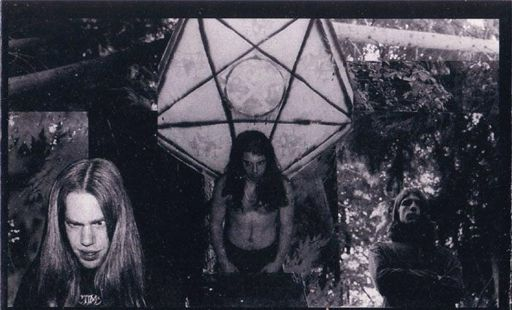
Infester were a death metal band from Seattle, Washington founded as Threnodist in 1991, before changing their name in 1992. They released their only album, To the Depths, in Degradation, in 1994, then broke up…some time. The Metal Archives doesn’t have a breakup date, but Metal Storm lists their breakup as 1996. But they also listed Infester’s profile as “invisible” on their site, so who knows when or why they broke up.
Either way, it’s a shame they did. Just listen to this abomination. It’s some of the muddiest, evil, cavernous, and downright terrifying death metal I have heard to this day.
The Air I Breathe
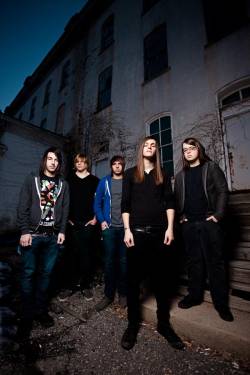
I discovered this short-lived metalcore band some time in either 2011 or 2012 when they performed as the penultimate opener for fellow short-lived metalcore band Texas in July. However, unlike the headlining act, The Air I Breathe only released one album before breaking up.
They formed in New Jersey in 2007 and released Great Faith in Fools, in 2011. However, in 2012 every member of the band except lead vocalist Tony Dougard quit, with Dougard disbanding the group shortly after.
Were they wildly unique compared to the myriad metalcore acts their label, Rise Records, was churning out at the time? No, not really, but their lyrics were decidedly darker, choosing to write about societal unrest and violence. That may not be particularly original in metal as a whole, but it set them apart from the other metalcore bands who were bitching about breakups and being misunderstood outcasts at the time. Their instrumentation was also incredibly technical, nothing like the endless power chords many of their peers could only play. They also harmonized their clean singing, which was surprisingly uncommon for this era of metalcore (whether they actually had a member who could do backing vocals or the lead vocalist did both in the studio, I don’t know, but it was uncommon nonetheless).
The band regrouped and released a new single in 2021, followed by another single in 2023, but still no new full-length album as of this writing.
Demilich
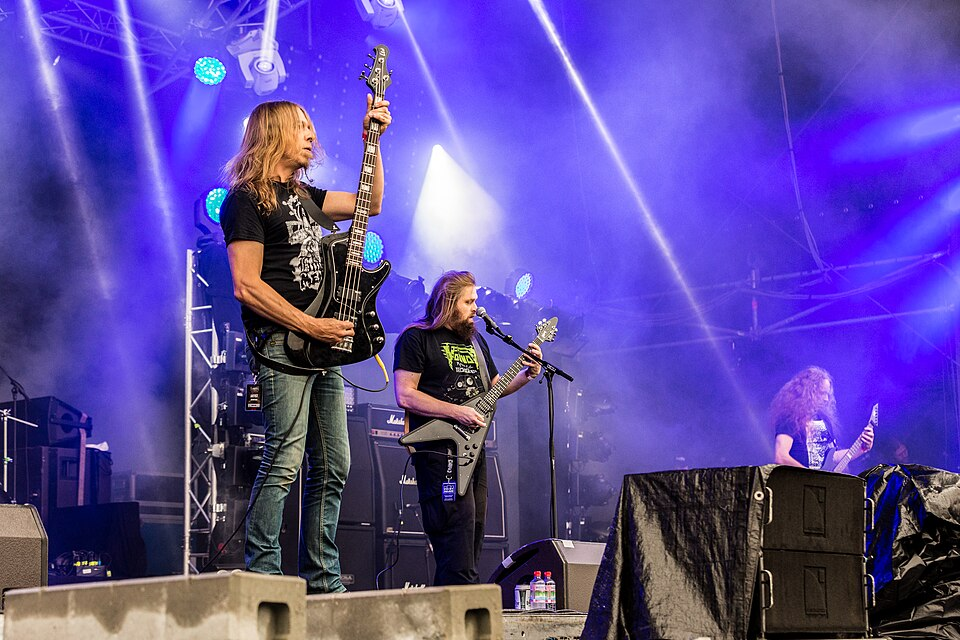
Finnish avante-garde death metal band Demilich have gone through several breakups and reunions since their founding in 1990. But despite having several years as an active band under their belt at this point (they have been together since their most recent reunion in 2014), they have only released one album, Nespithe, shortly before their first breakup in 1993.
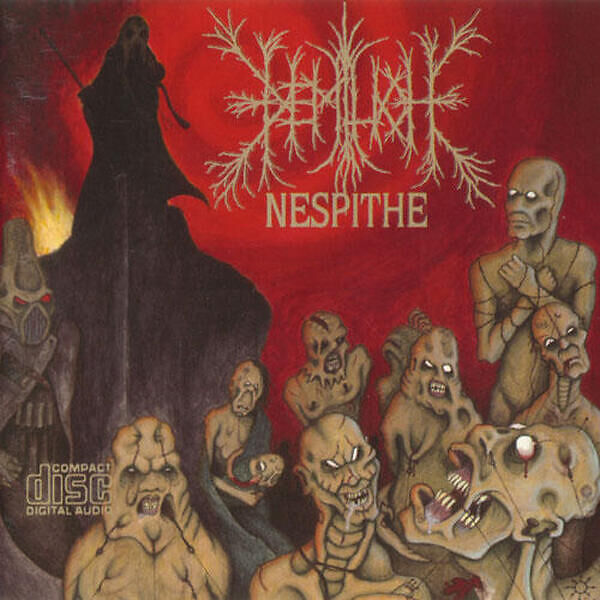
Nespithe is a weird album. Some songs have ridiculously long titles, lyrics written in code in the album booklet, intricate riffs in A standard, and unintelligible gutteral vocals in an era that hadn’t heard anything like that yet.
Demilich would not record anything new until one of their brief reunions in 2006, but that recording, the Vanishing Sessions demo, wouldn’t be released until the 20th Adversary of Emptiness compilation in 2014, which contained everything the band had ever recorded. Demilich has not released any new material to this day.
Gorement
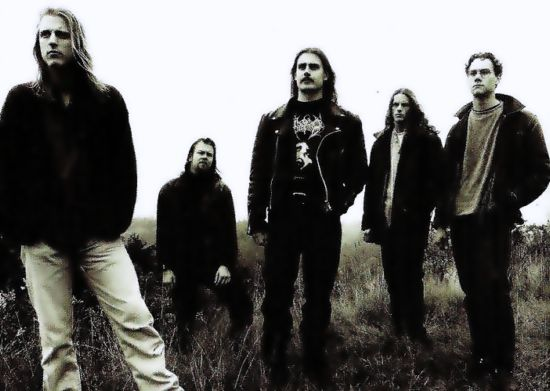
Gorement formed in 1989 in Nyköping, Sweden under a different band name. After several name changes, they eventually settled on Gorement in 1991. Their first two demos had more of a goregrind sound, but by the time they released their only album, The Ending Quest, in 1996, they had switched to more of a straight death metal style.
They then changed their name and style to Piper’s Dawn that same year, but only released one demo before breaking up for good a few years later.
Although I haven’t listened to the one Piper’s Dawn demo, I can’t imagine why they decided to change so much before calling it quits altogether after hitting the nail on the head with The Ending Quest. They may not have been one of the first Swedish death metal bands to release an absolute banger, but they had a unique enough sound, slowing down enough to flirt with death/doom more than many of their Swedish counterparts.
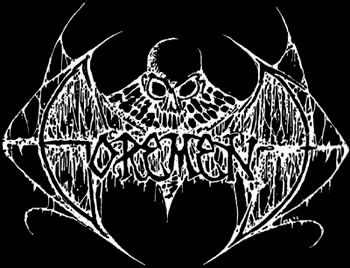
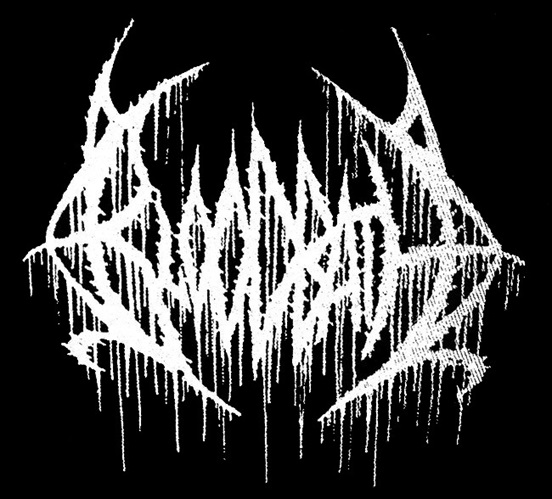
The only other thing I know about the band is the Swedish death metal band Bloodbath’s logo is a homage to Gorement’s logo, so at least they left some legacy:
Vinterland
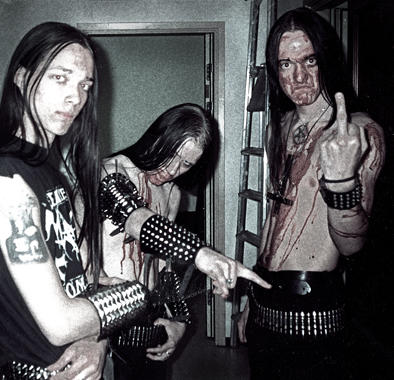
According to the band’s official Facebook page, Vinterland was formed in Kvicksund, Sweden 1992 as a death/black metal band, but was later developed into more melodic black metal. They released Welcome My Last Chapter in 1996, but broke up the following year despite its positive reception.
Welcome My Last Chapter is simply a masterpiece in melodic black metal. Although they weren’t the only, or even the first, Scandinavian black metal band to release such an enchanting record in the 90s, this album gets far more replays from me than most of their similar contemporaries. Although their peers were no slouches, I find the riffs and vocal hooks from Welcome My Last Chapter to be more memorable, giving the listener a contemplative, soaring feeling. If that makes no sense to you, just listen to the record and you’ll know what I mean.
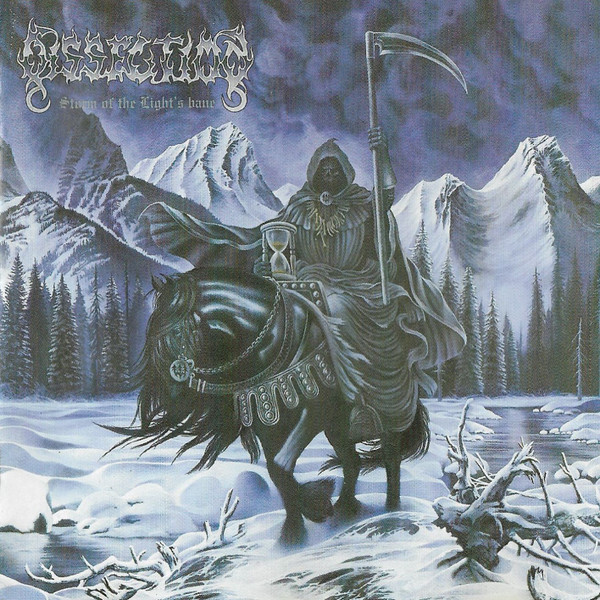
The band played their first reunion show in 2011, and have been together since. They continue to play live, but have not released any new material.
Disembowelment
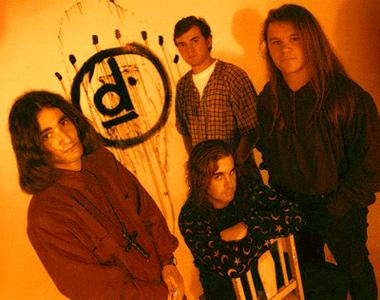
Disembowelment (stylized as diSEMBOWELMENT) were a death/doom band founded in 1989 in Melbourne, Australia. They released one EP, Dusk, in 1992 before releasing their only album, Transcendence into the Peripheral, the following year.
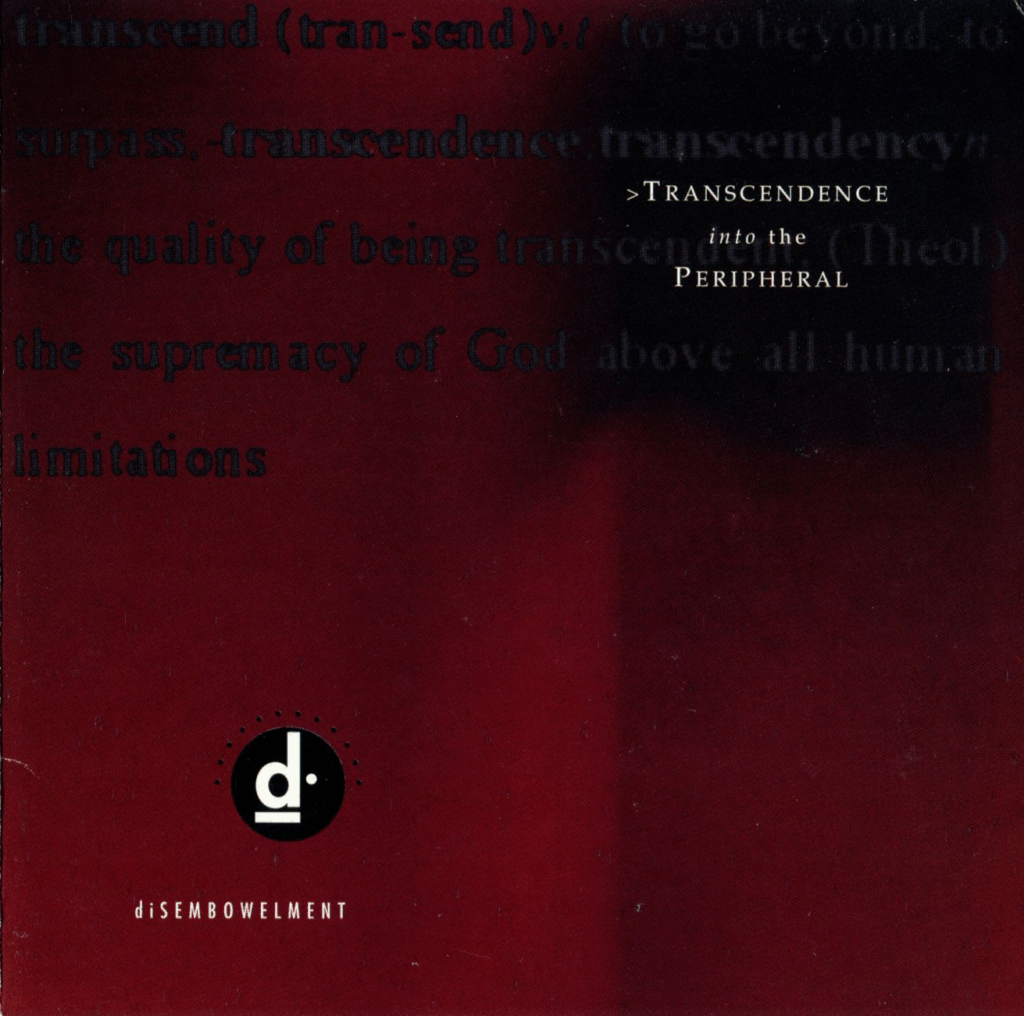
Transcendence into the Peripheral became a seminal record in the death/doom subgenre, utilizing the low growls, downtuned riffs, and occasional blast beats of death metal with the plodding pace and ambient segments of doom metal. It is dark, ominous, and heavy as all hell.
Then they broke up after releasing the record without ever playing any of it live.
Although Disembowelment never got back together, two of the former members started a new band in 2011 under the name d.USK (man, these guys refuse to use normal capitalization, don’t they?) before changing their name to Inverloch.